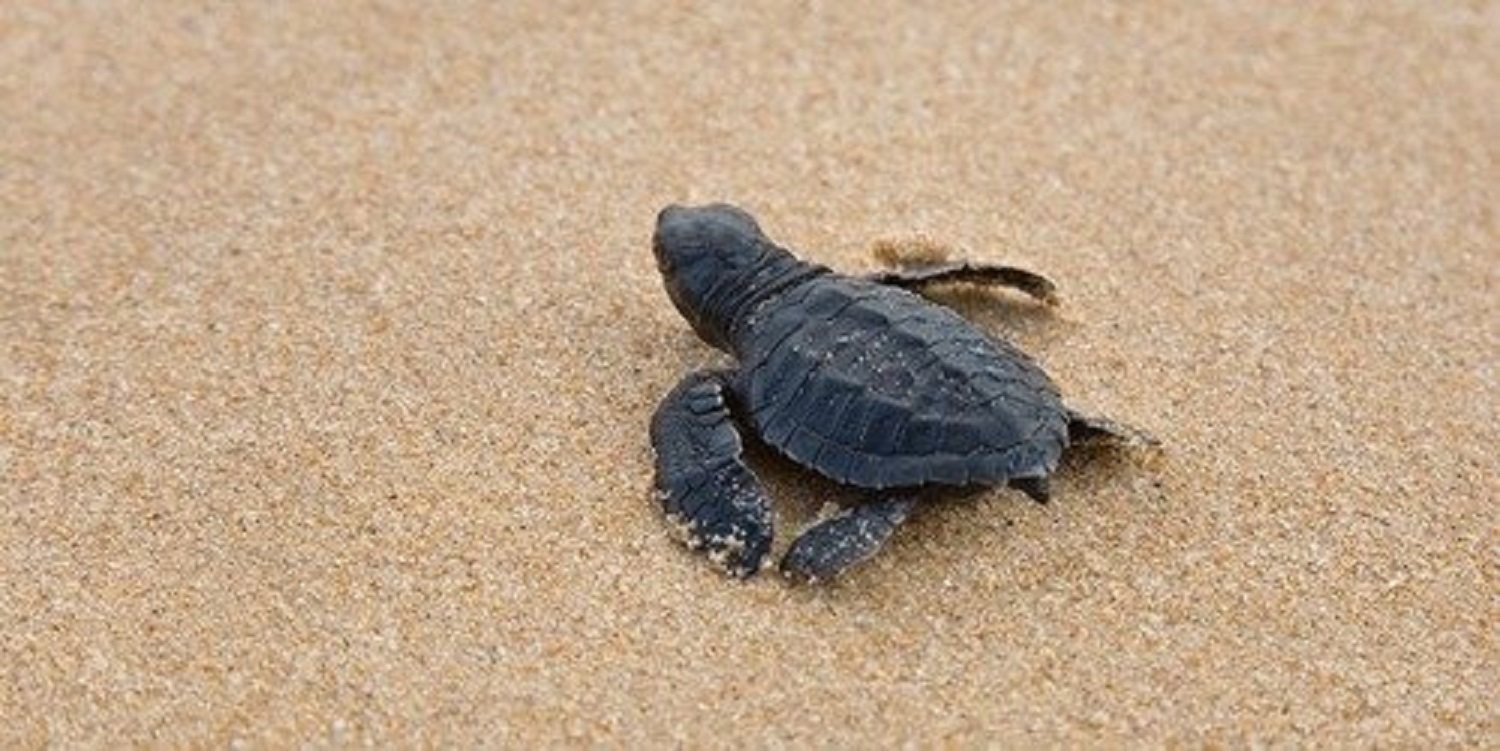
Daytona Beach, FL - It's almost a brand new month and a whole new sea turtle nesting season is beginning in Volusia County.
However, the nesting season actually unofficially began on April 10th, when the first leatherback nest was discovered in Daytona Beach. After that, three more nests and one false crawl have been counted between Ormond Beach and New Smyrna Beach.
Once a female lays their eggs in the sand, the eggs will begin to incubate for about two months. After that, tiny little hatchlings will begin what is an often treacherous journey to the water, dodging predators, trash and other obstacles.
Unfortunately, some will also be led into harm’s way by beachfront lighting.
According to Volusia County, around one in 1,000 to 10,000 hatchlings will make it safely to sexual maturity. But, they're looking to change those odds.
“We want to make Volusia County beaches safe, inviting places for humans and sea turtles,” said Ryan Chabot, Volusia County's sea turtle Habitat Conservation Plan program manager. “We encourage residents and visitors alike to respect our wildlife; let the night provide the light; and keep our beaches clean, dark and flat.”
According to Chabot, bright lights can discourage females from nesting and confuse hatchlings, leading them away from the ocean and into streets or storm drains. By redirecting lights away from the beach and turning them off when not in use, beachfront residents can allow natural moonlight and starlight to guide nesting females and hatchlings and keep them out of danger.
The county’s Environmental Management Division works with beachfront property owners throughout the year, educating them about the sea turtle lighting ordinance.
During the season, residents are required to turn off, shield or redirect lights so they don’t shine on the beach.
If you want to do your part, you can help out by following some of the tips below:
The season officially begins tomorrow (May 1st) and runs through to October 31st. A typical year yields about 400 to 500 nests. Last year’s season set a new record with 984 nests counted.